

Key Takeaways:
- Walking safaris provide an intimate connection with nature, allowing close observation of wildlife tracks and sounds.
- Understanding animal tracks and calls enhances the safari experience and fosters a deeper appreciation for the ecosystem.
- The unique experience of walking safaris encourages personal connections with flora and fauna, benefitting mental well-being.
- Hidden safari gems like South Luangwa and Mana Pools National Park offer extraordinary wildlife encounters with fewer tourists.
- Africa’s diverse ecosystems, from savannahs to rainforests, provide varied opportunities for wildlife observation.
- Timing of the safari impacts wildlife activity; understand seasonal variations for optimal experiences.
- Knowledgeable guides enhance the safari experience, providing insights into local ecosystems, wildlife, and survival tactics.
- Engaging with local communities enriches understanding of conservation efforts and cultural connections to wildlife.
- Storytelling by guides adds depth and significance to the experience, fostering a connection to the environment.
- Proper gear, understanding wildlife behavior, and physical readiness are essential for a successful walking safari.
- Mindful engagement with wildlife promotes safety and enhances the overall experience for both adventurers and animals.
Discovering the Enchantment of Safari Walks
The Thrill of Following Fresh Tracks
Walking safaris offer an unparalleled sense of intimacy with nature. One of the most exhilarating experiences is the thrill of following fresh tracks left by wildlife. Every footprint tells a story, revealing the presence of magnificent animals that roam the wild. As you trek through the rugged terrain, guided by an experienced naturalist, the world of the savanna unfolds in front of you. The crunch of twigs underfoot, the rustle of grass—all combine to signal the vitality of the ecosystem around you. Knowing how to interpret these signs can deepen your connection with the wilderness.
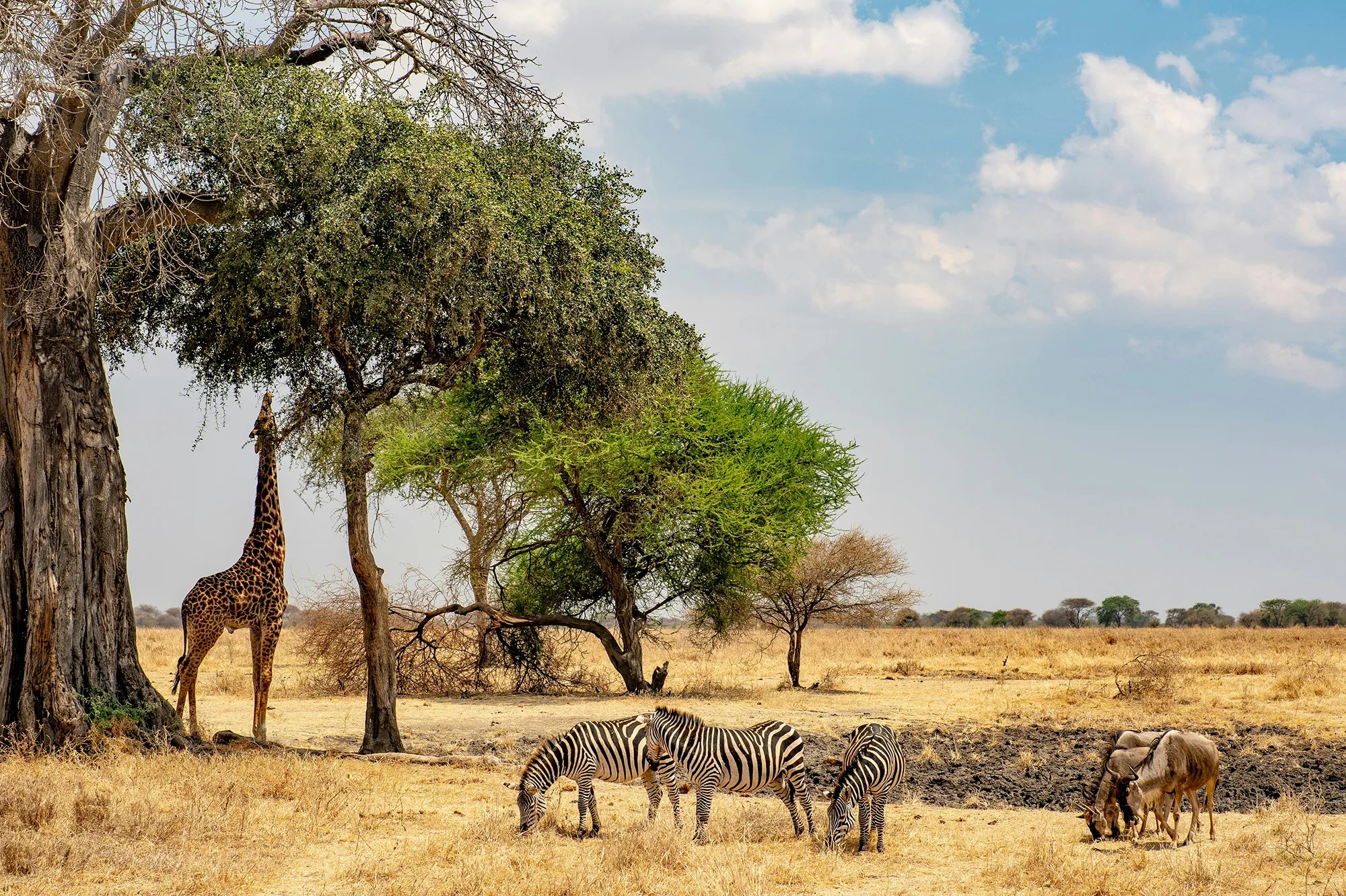
Tracks left by elephants may indicate their recent passage to a watering hole, while claw marks from a lion may suggest their patrolling route. Observing the intricacies of these tracks and learning to identify them not only enhances your safari experience but also fosters a sense of curiosity about the behaviors and habits of these magnificent creatures. Perhaps one of the most rewarding moments comes when you spot a herd of zebras shortly after confirming their tracks—a testament to the effectiveness of keen observation and experience.
Embracing the Sounds of the Wilderness
The sounds of the wilderness serve as a symphony, harmonizing with the breathtaking sights that a walking wildlife safari experiences offer. Unlike a traditional game drive, where animals may seem remote, walking safaris immerse you in the landscape, allowing you to experience the auditory cues of nature up close. The rustling leaves in a gentle breeze, the calls of a distant bird, or the low grumbling of a lion can emerge from just beyond your line of sight. These sounds create an atmosphere of wonder and anticipation, allowing you to feel as though you have entered the heart of the wild.
Learning to differentiate between the calls of various species can enhance your appreciation of the ecosystem. For instance, the distinct calls of a kori bustard—a large ground bird—can signal their presence, while the alarm calls of smaller animals might alert you to a lurking predator. This acoustic dimension of a walking safari enriches your understanding of the delicate balance within ecosystems and fosters a connection with a world that often remains hidden from view. By honing your auditory skills, you not only become more attuned to the environment, but you also embark on a profound journey toward nature’s core.
Connecting with Nature on a Personal Level
One of the hallmarks of a walking safari is the deep, personal connection it fosters between you and the natural world. By leaving behind the confines of vehicles, you engage directly with the environment—stillness envelops you, and suddenly, every element around you becomes part of a larger narrative. This visceral approach offers unique opportunities to appreciate flora and fauna in ways that a structured tour cannot accomplish. You can kneel to inspect insect life, feel the rough bark of ancient trees, and breathe in the distinct scents of earth and vegetation.
This personal connection has significant benefits for overall well-being. Immersing yourself in nature provides stress relief and mental clarity, and studies have demonstrated the healing power of natural environments on human health. Additionally, the mindfulness cultivated through observing every nuance of your surroundings can enhance your appreciation for biodiversity and the importance of conservation. Engaging thoughtfully with nature contributes to a sense of responsibility and stewardship—an essential mindset for those who venture into the wilderness.
Top Safari Destinations for Unforgettable Wildlife Encounters
Hidden Gems in Africa Beyond the Traditional Parks
While renowned destinations such as the Serengeti and Kruger National Park are popular for a reason, there is a myriad of hidden gems across Africa that offer extraordinary walking safari experiences. Places like Zambia’s South Luangwa National Park and Zimbabwe’s Mana Pools National Park often boast fewer tourists, allowing for a more intimate exploration of their unique ecosystems. South Luangwa, in particular, is famed for its walking safaris; the park’s diverse wildlife, including elephants, lions, and leopards, provides breathtaking encounters on foot.
Another hidden gem is the remote Niassa Reserve in Mozambique, which offers an unspoiled glimpse of wilderness rarely seen by tourists. Its vast, rugged terrain and abundant game species—such as the rare African wild dog—make it an ideal backdrop for those seeking an authentic adventure. These off-the-beaten-path destinations not only promise awe-inspiring wildlife encounters but also the opportunity to contribute meaningfully to local conservation efforts. Engaging with communities and learning from their experiences enriches your journey, aligning adventure with purpose.
Unique Ecosystems: From Savannahs to Rainforests
Africa hosts an astonishing variety of ecosystems, each harboring its distinct wildlife and landscape. Walking safaris can take you from the dry, sun-drenched savannahs teeming with graceful antelopes to the lush, vibrant rainforests home to hundreds of undiscovered species. Each ecosystem offers a unique opportunity to appreciate biodiversity in context. In the Okavango Delta of Botswana, for example, the intricate waterways create a dynamic environment, supporting an array of wildlife, including hippos, crocodiles, and exotic birds.
In contrast, trekking through the stunning landscapes of Uganda’s Bwindi Impenetrable Forest invites you to encounter the mighty mountain gorilla in its natural habitat. Here, you can uncover how the interplay between altitude and vegetation influences both animal behavior and local culture. Every ecosystem presents unique tales of evolutionary adaptation and resilience, allowing travelers to witness the beauty of nature’s ingenuity on a grand scale. Understanding how different environments coexist can enhance your gratitude for the fragile web of life we share this planet with.
Seasonal Variations: When to Experience Optimal Wildlife Activity
The timing of your walking safari can significantly impact your experience, as wildlife behavior shifts with the seasons. In East Africa, for instance, the Great Migration—a phenomenal movement of wildebeest and zebras—occurs from June to September, marking the best time for wildlife viewing in the Serengeti’s Mara region. Conversely, the green season (November to April) is when lush landscapes come alive, giving birth to new life and attracting predatory species eager for an easy meal.
In Southern Africa, the dry season (May to October) is optimal for viewing wildlife as animals congregate around water sources. Visiting during this time can yield unforgettable encounters, as predators lie in wait for prey drawn to these critical areas. However, the beauty of the wet season should not be overlooked—an explosion of life and activity can be found as animals thrive in the abundant environment. Researching seasonal patterns and involving expert advice can transform your walking safari into a truly unforgettable journey.
Wildlife Guides: The Heartbeat of Your Safari Adventure
The Importance of Knowledgeable Guides in Walking Safaris
In embarking on a walking safari, the significance of a knowledgeable guide cannot be overstated. A seasoned expert offers valuable insight into local ecosystems, animal behaviors, and survival tactics, adding layers of understanding and context to your experience. Guides are often intimately familiar with the land; they can lead you to off-the-beaten-path locations, enhancing the likelihood of wildlife encounters while ensuring safety. Their presence is not merely utilitarian; they serve as passionate storytellers and ambassadors of conservation, offering a rich narrative of the region’s wildlife.
Their training often includes wilderness first aid and tracking skills, ensuring your safety and enriching your understanding of the terrain. Attuning yourself to their expertise can transform a walking safari into an education of great depth, as they share knowledge accumulated over years of close interactions with wildlife. Moreover, many guides hail from local communities and can provide valuable context regarding cultural interactions with the land, illuminating the delicate balance between human existence and nature’s vulnerabilities.
Cultural Insights: Understanding Local Communities and Conservation Efforts
As you set out on your walking safari, the experience transcends pure animal sightings, entering the realm of cultural exchange. Understanding local communities’ relationships with the land can deepen your appreciation for conservation efforts. Engaging with indigenous populations, learning about their customs, and exploring how they coexist with wildlife provides a richer narrative to your journey. Many regions have established partnerships between wildlife conservation and community livelihood, illustrating that protecting biodiversity can also empower local communities economically and socially.
These interactions often lead to inspiring stories of resilience, innovation, and dedication by individuals who work to safeguard their environment. Recognizing the human element behind conservation—a narrative often absent from mainstream safari experiences—can foster empathy and inspire visitors to advocate for sustainable choices upon returning home. Safaris that emphasize community involvement help create a positive feedback loop; as tourists learn and engage, they contribute to local economies and conservation efforts, ensuring a sustainable future for the intertwined lives of people and wildlife.
Enhancing Your Experience Through Expert Storytelling
Guided walking safaris are enriched significantly through the art of storytelling, often regarded as one of the most captivating aspects of the experience. Guides weave narratives that interlink cultures, traditional knowledge, and natural history, bringing landscapes and characters to life in ways that engage both the mind and spirit. This storytelling element not only enhances your understanding of different species’ behaviors and habitats but also fosters a timeless sense of connection to the earth.
By sharing folklore about specific animals, ecological myths, or endangered species’ success stories, guides empower travelers to view wildlife through a lens of appreciation and urgency. The best guides are not merely conveyors of facts; they know how to captivate their audience, drawing on personal experiences that create a shared bond between visitor and wilderness. This storytelling mastery transcends language barriers, as the emotions behind their accounts resonate deeply, enriching your safari experience with an added dimension of depth and significance.
Preparing for Your Walking Safari: Tips for Adventure Seekers
Essential Gear: What to Bring for Comfort and Safety
Preparation is integral to an enjoyable walking safari experience, and selecting the right gear can make all the difference. Comfort is paramount, so investing in moisture-wicking clothing, sturdy hiking boots, a wide-brimmed hat, and appropriate layering pieces for fluctuating temperatures is essential. The right footwear is a particularly crucial aspect; well-fitted, supportive boots that offer ankle coverage will help prevent injuries while navigating diverse terrains.
In addition to clothing, consider technical gear such as a reliable pair of binoculars for wildlife observation, a reusable water bottle to stay hydrated, and a high-factor sunscreen to protect against the sun’s harsh rays. A lightweight backpack is essential for carrying your belongings, and don’t forget a good-quality camera to capture unforgettable moments during your journey. Furthermore, first aid supplies, including insect repellent and personal medications, contribute to safety while exploring the wild. Preparing meticulously ensures that you are equipped for both comfort and adventure, enhancing your overall experience.
Mindful Preparation: Understanding Wildlife Behavior and Etiquette
Engaging ethically and responsibly with wildlife is a vital aspect of your walking safari. Before embarking on your adventure, take time to learn about local wildlife behaviors and the principles of conservation that govern interactions in natural environments. Understanding animal behaviors—such as recognizing signs of distress or aggression—can enhance both your safety and the animals’ well-being. Additionally, engaging respectfully with wildlife promotes a greater appreciation of the ecosystems you enter, framing your experience within a mindset of stewardship.
Following established protocols, such as maintaining a safe distance from animals and remaining quiet to minimize disruption, not only ensures you enjoy fulfilling encounters but also contributes to the overall experience for fellow travelers. Many regions have specific guidelines regarding observations, making it crucial to heed your guide’s instructions, ensuring your adventure is both memorable and sustainable. By entering the wilderness with a mindset of respect and mindfulness, travelers cultivate a more profound connection with nature, gaining insights that leave a lasting impression.
Physical Readiness: Training for the Ultimate Safari Experience
While walking safaris are accessible to many, physical readiness can enrich your experience significantly. Depending on your destination, the terrain may vary from flat grasslands to steep hills, demanding a level of stamina and agility. Preparing physically for the trek can involve a combination of cardiovascular exercises, strength training, and endurance-building activities such as hiking or walking on diverse terrains.
Moreover, focusing on core strength and flexibility can improve your balance and stability, essential for traversing rocky or uneven paths. Participating in outdoor activities—whether it’s hiking, yoga, or even local walks—helps condition your body to the demands of a walking safari. A well-prepared adventurer can fully immerse themselves in the experience without the physical strain becoming a limiting factor, allowing the beauty of the journey to unfold as intended. Feeling fit and capable encourages not just a more enjoyable exploration of the wilderness but also fosters a sense of accomplishment and connection to the wild terrain you traverse.
With the right mindset, knowledge, and preparation, a walking safari can transform from a mere adventure into an unforgettable exploration of nature’s heart, rich with experiences that inspire, educate, and nourish the soul.
FAQ
Question: What safety precautions should I take on a walking safari? – It’s important to adhere to your guide’s instructions, maintain a safe distance from wildlife, and stay quiet to avoid disturbing animals. Wearing appropriate gear and understanding animal behavior can also ensure safety during your adventure.
Question: How do I choose the right safari guide for my walking safari? – Look for guides with extensive experience, local knowledge, and positive reviews. It is beneficial if they are trained in wilderness first aid and tracking, as this ensures your safety and enriches your learning experience.
Question: Can children participate in walking safaris? – Many walking safaris have age restrictions due to safety considerations, but some operators offer family-friendly options. It’s best to check with the safari provider about their specific policies and recommendations for children.
Question: What is the ideal time of year for a walking safari? – The best time for a walking safari depends on the location. In general, the dry season is preferred for wildlife viewing, while the wet season can offer unique opportunities for observing new life and vibrant landscapes.
Question: What should I do if I encounter wildlife during my walk? – Remain calm and follow your guide’s instructions. Do not approach or attempt to feed the animals. Your guide will have protocols in place to ensure both your safety and the animals’ well-being.
Question: Are walking safaris physically demanding? – Walking safaris can range in physical intensity depending on the terrain and length of the hike. It is advisable to be reasonably fit, as some routes may involve uneven ground and varying difficulty levels.
Question: What other experiences may complement a walking safari? – Consider combining your walking safari with community engagement activities, such as visiting local villages or participating in conservation projects, to deepen your connection to the area and its people.
Question: How can I contribute to wildlife conservation during my safari? – Engage with the local community, pay attention to your impact while traveling, and support eco-friendly businesses. Many safari operators also contribute to conservation efforts, so choosing responsible providers can enhance your impact.
Useful Resources
- National Geographic
- World Wildlife Fund (WWF)
- Biodiversity International
- Conservation International
- International Union for Conservation of Nature (IUCN)
- African Wildlife Foundation
- WWF South Africa
- Travel Wildlife
You May Like

Discovering New York: A 3-Day Tour Package