

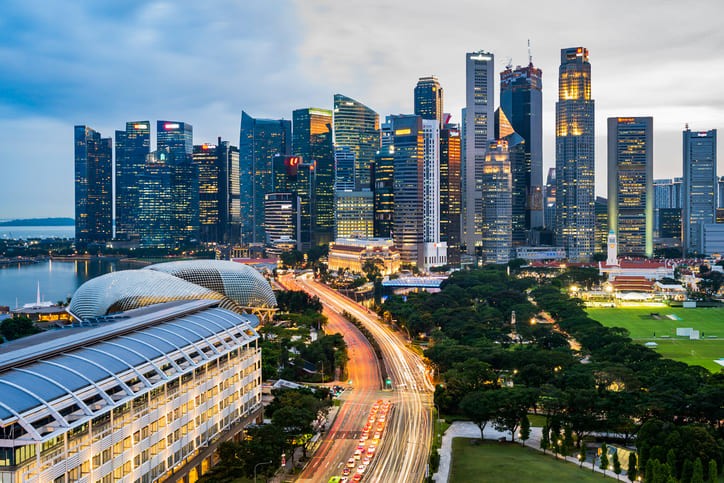
Singapore’s property market is no longer driven purely by location and price. In 2026, urban lifestyle expectations have become one of the strongest forces shaping housing demand. Buyers and tenants are increasingly prioritizing convenience, wellness, connectivity, and community living—factors that directly influence which developments succeed in the long term.
This shift is redefining what makes a property valuable, and investors who understand it are better positioned to identify future winners in the market.
From Shelter to Lifestyle Asset
Historically, property was viewed primarily as shelter or an investment vehicle. Today, it has evolved into a lifestyle asset. Buyers are not just asking “Where is it located?” but also “How will I live here every day?”
This change is especially visible among younger professionals and families who value integrated living environments. Features such as co-working spaces, fitness facilities, green landscapes, and retail access are now expected rather than optional.
Developments like Lucerne Grand reflect this shift by offering modern amenities designed for both comfort and productivity. Similarly, Island Residences aligns with the growing demand for well-planned residential communities that support everyday convenience.
The Rise of 15-Minute Neighborhoods
One of the most important urban planning concepts influencing Singapore real estate is the idea of 15-minute neighborhoods. This concept focuses on ensuring that residents can access essential services—such as schools, supermarkets, healthcare, and transport—within a short walking or commuting distance.
As this model expands, properties located within self-sufficient hubs are becoming increasingly desirable. Buyers are willing to pay a premium for convenience and reduced travel time.
This trend is particularly strong in emerging districts where new infrastructure is being integrated into master-planned communities.
Work-from-Home and Hybrid Living Impact
The rise of hybrid work models has permanently changed housing preferences. With more people working from home at least part of the week, the demand for larger, more functional living spaces has increased.
Key features now in demand include:
- Dedicated study areas
- Flexible room layouts
- Strong internet infrastructure
- Quiet, low-density environments
Developers have responded by redesigning floor plans and incorporating co-working lounges within residential complexes. Properties that fail to adapt risk losing competitiveness in the rental and resale markets.
Green Living and Sustainability Expectations
Another major driver of modern property demand is sustainable living. Singapore’s push toward a greener city has influenced both developers and buyers.
Eco-friendly features such as energy-efficient appliances, smart lighting systems, and green roofs are becoming standard expectations. Beyond cost savings, buyers now associate sustainability with quality and long-term value.
Developments like Lucerne Grand increasingly incorporate these features to meet evolving buyer expectations, while Island Residences reflects the trend toward environmentally conscious residential design.
Community Living and Social Spaces
Modern buyers are also seeking stronger community engagement within residential developments. Instead of isolated living, there is growing demand for shared spaces that encourage interaction.
These include:
- Clubhouses
- BBQ pavilions
- Co-working lounges
- Wellness and yoga decks
This shift reflects a broader desire for balanced urban living, where residents can enjoy both privacy and social connection.
Developers who successfully integrate these elements tend to achieve higher occupancy rates and stronger long-term demand.
Transport Connectivity Remains Core
Despite evolving lifestyle preferences, transport connectivity remains a non-negotiable factor in property selection. Proximity to MRT stations continues to be one of the strongest predictors of property value appreciation.
Singapore’s ongoing expansion of MRT lines enhances accessibility across the island, creating new investment hotspots in previously underdeveloped areas.
Properties that combine strong connectivity with lifestyle amenities tend to outperform over time.
Retail and Mixed-Use Developments
Another growing trend is the popularity of mixed-use developments, where residential units are integrated with retail and dining options. This creates a “live-work-play” environment that reduces the need for long commutes.
Residents benefit from having daily essentials and leisure activities within walking distance, improving overall quality of life.
These developments are particularly attractive to expatriates and young professionals who prioritize convenience and efficiency.
Technology Integration in Homes
Smart home technology is becoming a standard expectation in Singapore’s residential market. Buyers now look for properties equipped with:
- Smart locks and security systems
- Remote-controlled lighting and air-conditioning
- Energy monitoring systems
- App-based facility booking
This integration of property technology (PropTech) enhances convenience and aligns with Singapore’s broader digital transformation goals.
Developers who fail to incorporate smart features risk falling behind in a competitive market.
Impact on Property Investment Strategy
The shift toward lifestyle-driven demand has important implications for investors. It is no longer enough to focus solely on price appreciation or rental yield.
Investors must now consider:
- Lifestyle appeal of the development
- Tenant demographics and preferences
- Long-term livability of the area
- Access to amenities and transport
Properties such as Lucerne Grand and Island Residences are examples of developments that align with these evolving investment criteria.
Future Outlook of Urban Living in Singapore
Looking ahead, Singapore’s urban landscape will continue evolving toward more integrated, sustainable, and technology-driven living environments. Government planning and private development will work hand-in-hand to create smarter and more livable neighborhoods.
Key future trends include:
- Increased decentralization of business hubs
- Expansion of green and recreational spaces
- Greater integration of digital infrastructure
- Stronger emphasis on wellness-focused design
These changes will continue to reshape property values and investment opportunities across the island.
Final Thoughts
The evolution of urban lifestyle preferences is one of the most powerful forces shaping Singapore’s property market today. Buyers are no longer just purchasing homes—they are investing in a way of life.
For investors, understanding these shifts is essential. Properties that align with modern expectations—convenience, connectivity, sustainability, and community—are more likely to deliver long-term value.
As Singapore continues to evolve, developments that successfully integrate lifestyle and functionality will remain at the forefront of demand.