

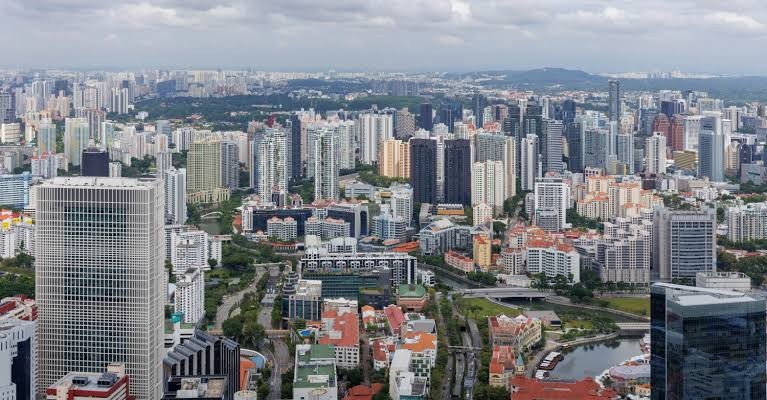
Real estate valuation in Singapore is deeply intertwined with government urban planning. Through the Urban Redevelopment Authority (URA) Master Plan, land use, plot ratios, transport nodes, and commercial decentralization strategies are mapped out decades in advance. For homebuyers, property investors, and corporate assignees, identifying residential developments positioned within major transformation corridors provides a clear blueprint for capital appreciation and long-term rental demand.
While established prime enclaves offer defensive asset stability during market consolidations, regional transformation zones generate catalytic growth as physical infrastructure projects reach completion. Understanding how to evaluate infrastructure-led capital gains alongside land scarcity ensures a well-balanced real estate allocation strategy in Singapore’s evolving housing market.
1. The Anatomy of Master Plan Catalysts: Transport, Commerce, and Green Spaces
Urban renewal in Singapore operates on a multi-tiered framework designed to reduce reliance on the Central Business District (CBD) while enhancing suburban livability. Developers and buyers analyze three core infrastructure catalysts when evaluating new residential launches:
Transit Network Expansion
The extension of Mass Rapid Transit (MRT) lines—such as the Cross Island Line (CRL) and Thomson-East Coast Line (TEL)—dramatically alters daily accessibility. Residential developments located within a 5- to 7-minute walking radius of new transit stations experience immediate upward valuation re-ratings upon station commissioning, driven by reduced commute times and lower tenant vacancy rates.
Decentralized Business Nodes
By establishing regional commercial hubs like Jurong Lake District (JLD), Paya Lebar Central, and Woodlands Regional Centre, the government shifts corporate office footprints closer to residential heartlands. This decentralization creates a sustained corporate tenant base seeking quality housing near regional offices, research parks, and medical centers.
Green Infrastructure and Leisure Integration
Modern homebuyers prioritize health, wellness, and environmental connectivity. Developments connected to regional park networks, coastal connectors, and nature reserves command significant lifestyle premiums over isolated urban projects.
2. Low-Density Luxury in Established Growth Nodes: The District 10 Advantage
In core luxury districts, master planning focuses on preservation, low-density zoning, and controlled redevelopment rather than mass commercial expansion. District 10 remains the premier benchmark for prime central residential living, anchored by sprawling Good Class Bungalow (GCB) zones, diplomatic enclaves, and top-tier educational institutions.
Land parcels suited for private residential development in these protected zones are exceptionally rare. When new residential projects launch in mature central precincts, they capture immediate demand from multi-generational family buyers and high-net-worth investors seeking capital preservation.
For buyers seeking low-density luxury in established residential belts, boutique developments like Amberwood at Holland showcase how low-rise architectural massing, biophilic landscaping, and immediate proximity to the Holland Village lifestyle precinct deliver a quiet sanctuary in District 10.
3. High-Yield Connectivity Corridors: Leveraging Suburban Transformation
While prime central enclaves preserve capital, regional transformation zones serve as key cash-flow generators for yield-focused investors. Suburban price growth is continually supported by HDB upgraders, young professionals, and corporate assignees working in regional commercial parks.
SUBURBAN GROWTH CATALYST MATRIX
Transformation Phase Infrastructure Milestone Market Impact
——————————————————————————————–
Phase 1: Planning Master Plan announcement & GLS sales Entry pricing advantage
Phase 2: Construction MRT expansion & commercial building Gradual price appreciation
Phase 3: Completion Station opening & tenant move-in Peak rental yield & resale liquidity
Strategic Transit-Oriented Real Estate
When selecting properties in suburban growth corridors, proximity to multi-line MRT interchanges and major expressway networks is paramount. Doorstep transit access eliminates the need for feeder bus rides, making the property significantly more attractive to corporate tenants working in nearby tech and research hubs.
Investors and homebuyers evaluating high-yielding residential assets with direct transit links and immediate proximity to regional commercial centers frequently review developments like Lucerne Grand, analyzing floor plan efficiency, site accessibility, and surrounding infrastructure developments to capture sustainable long-term returns.
4. Analytical Evaluation: Comparing Core Enclaves with Growth Corridors
To optimize portfolio performance, buyers should evaluate how property attributes differ between low-density core central residences and transit-oriented suburban growth developments:
| Valuation Attribute | Prime Central Enclaves (e.g., District 10) | Regional Growth Corridors (e.g., District 22 / West) |
| Primary Capital Driver | Permanent land scarcity, school zones, prestige | URA Master Plan infrastructure, regional job creation |
| Target Occupant | Owner-occupiers, high-net-worth families | Local upgraders, young professionals, corporate tenants |
| Density & Architecture | Low-density, resort-style massing, privacy | High-efficiency layouts, integrated lifestyle facilities |
| Holding Strategy | Generational asset preservation (10+ years) | Medium-term capital growth & cash-flow optimization |
5. Practical Due Diligence Framework for Property Buyers
Before committing capital to a private property purchase, complete a systematic audit across these four critical operational metrics:
- Verify URA Land Use Plot Ratios:Check the URA Master Plan zoning for surrounding land plots. Ensure adjacent sites are not zoned for high-density commercial or industrial development that could obstruct natural lighting or cross-ventilation.
- Calculate Usable Floor Plate Efficiency:Inspect floor plans to confirm square footage is allocated to functional living areas rather than oversized air-con ledges, wide structural columns, or unusable corridors.
- Assess Developer Track Record:Review the master developer’s CONQUAS workmanship scores and inspect their completed 5- to 10-year-old developments to evaluate material durability and common area upkeep.
- Stress-Test Financing Under TDSR Limits:Ensure mortgage servicing remains comfortable under higher bank stress-test interest rates, maintaining a liquidity buffer equivalent to 12 to 24 months of loan repayments.
Investment Takeaway: A balanced real estate portfolio pairs a low-density, prime district core asset for multi-generational wealth retention with a transit-adjacent growth property to maintain strong monthly rental yields across changing economic cycles.
Strategic Summary for Homebuyers and Investors
Sustained capital growth in Singapore’s private housing market depends on aligning property acquisitions with official urban master plan milestones. By combining the wealth preservation of low-density prime central enclaves with the active yield potential of transit-linked regional growth hubs, buyers can build a resilient real estate portfolio structured for enduring capital appreciation.